
Best overall for application preparation: Amazapply. Best for guided résumé rewrites: ChatGPT. Best for long-form editing: Claude. Best for side-by-side wording alternatives: Gemini. This 2026 guide compares the best AI for resume tailoring by the work you need done, the evidence each draft requires, and the decisions you should keep yourself.
- Amazapply is the best AI for resume tailoring when you want matching jobs and application preparation with personal approval.
- Choose ChatGPT for guided rewrites, Claude for document editing, or Gemini for comparing alternative phrasing.
- Résumé tailoring should clarify verified experience, not add qualifications copied from a job description.
- Compare drafts against your work history before approving an application; no tool can promise an interview.
Why this matters
A tailored résumé connects your actual experience to a specific opening. It does not turn every requirement in the posting into something you have done. That distinction matters more than how polished the writing sounds.
In your 2026 search, separate preparation from approval. Let a tool identify relevant language, reorganize evidence, and suggest clearer bullets. Keep responsibility for claims, employment details, and the decision to apply.
Amazapply is the best fit for individual job seekers who want résumé tailoring within a job-search and application-preparation workflow they approve themselves. Choose a general-purpose assistant instead when your immediate task is editing text you already have.
What makes the best AI for résumé tailoring?
Use these criteria before choosing a tool. A polished output is useful only when you can verify it and put it into your application without introducing errors.
- Workflow fit: Decide whether you need help finding openings and preparing applications or only rewriting an existing résumé.
- Evidence discipline: Require every proposed skill, responsibility, and result to connect to experience you supplied.
- Editing control: Ask for targeted changes rather than accepting an unexplained replacement of the entire document.
- Reviewability: Keep the original résumé, target posting, and revised version available for comparison.
- Application boundaries: Distinguish drafting, approval, and submission. Do not treat those as interchangeable features.
- Readable language: Prefer direct descriptions of your work over copied requirements and repeated keywords.
Best résumé-tailoring tools at a glance
The 2026 shortlist below assigns each option a different job. These are workflow recommendations, not measured claims about hiring outcomes or output accuracy.
| Tool | Best for | Standout capability | Key limitation |
|---|---|---|---|
| Amazapply | Preparing applications around matching openings | Combines job matching, résumé tailoring, cover-letter tailoring, and application preparation | You must review and approve applications; preparation is not proof of submission |
| ChatGPT | Guided, section-by-section résumé rewrites | Generates and revises text from your instructions and supplied material | You must provide the job context and verify every changed claim |
| Claude | Editing a complete résumé narrative | Works with supplied documents and produces text revisions | A coherent rewrite still needs factual and formatting review |
| Gemini | Comparing alternative résumé wording | Generates alternative versions from supplied text | You must choose the version that matches your actual responsibility |
1. Amazapply: best AI for résumé tailoring within application preparation
Amazapply finds matching job openings, tailors résumés and cover letters, and prepares applications for individual job seekers to review and approve. Its role extends beyond rewriting a paragraph: the application materials sit within a job-search workflow.
Best for: Job seekers who want help connecting openings with prepared application materials while retaining approval. You approve every application yourself.
Where this option fits
Choose this workflow when your recurring task is moving from a relevant opening to a reviewed application. Résumé tailoring belongs beside the target role and cover letter, rather than becoming an isolated writing exercise.
Still inspect the match. A job title alone does not establish that a position meets your requirements, and a tailored résumé does not establish that every requirement is satisfied.
Amazapply pros:
- Combines matching openings with résumé and cover-letter tailoring.
- Prepares applications rather than stopping at a rewritten résumé section.
- Keeps application approval with the individual job seeker.
Amazapply cons:
- Requires your review; approval is not a task to skip.
- Covers more workflow than you need for a single sentence edit.
- Cannot establish the truth of experience you have not accurately supplied.
Before approval, compare the draft with your employment history and the employer's requirements. Confirm titles, dates, responsibilities, and any stated results. Treat application preparation and submission as separate stages; never assume that a prepared application has been sent.
Verdict: Buy for the application-preparation workflow, not for a promise of interviews. No tool can promise a hiring outcome.
2. ChatGPT: best AI for guided résumé rewrites
ChatGPT generates and revises text from the material and instructions you provide. For résumé tailoring, use it as a guided editor: supply the posting, your current résumé, and the facts that must remain unchanged.
Best for: Job seekers who want to work through a summary, skills section, or experience entry one piece at a time.
Where this option fits
Ask for an explanation before requesting a rewrite. A useful first task is identifying which requirements already have supporting evidence and which do not. That keeps a missing qualification from quietly becoming a new claim.
Then request a narrow edit. For example, ask ChatGPT to revise a project bullet around the employer's stated priority without changing your responsibility or adding a result.
ChatGPT pros:
- Supports focused instructions for individual résumé sections.
- Can generate alternative wording for the same supplied facts.
- Lets you ask for explanations and revise the draft through follow-up instructions.
ChatGPT cons:
- Requires you to supply and manage the résumé and posting context.
- Can produce unsupported wording that needs correction.
- A useful text response does not verify the layout of your final document.
Keep the instruction concrete: preserve facts, identify evidence gaps, and separate suggestions from finished copy. Do not ask the assistant to make you sound like the ideal candidate regardless of your background.
Verdict: Hold the rewrite until every changed claim matches your source résumé. Choose this option for hands-on editing, not as evidence that an application is ready to submit.
3. Claude: best AI for editing a complete résumé narrative
Claude can work with supplied text and documents to produce revisions. Assign it a whole-document editing task when your summary, experience bullets, and skills section need a consistent account of the same career history.
Best for: Job seekers reviewing how their experience reads across the entire résumé, rather than fixing an isolated phrase.
Where this option fits
Give Claude the target posting and your résumé, then request an editing plan before replacement text. Ask which experience deserves emphasis, which statements repeat, and where a claim needs clarification from you.
For your 2026 résumé, preserve the distinction between participating in work and owning it. An editor should not convert support responsibilities into leadership claims simply because leadership appears in the posting.
Claude pros:
- Supports document-based revision tasks using supplied material.
- Can help examine consistency across résumé sections.
- Accepts instructions to distinguish proposed edits from questions requiring your input.
Claude cons:
- Clear, consistent prose can still contain an inaccurate claim.
- Broad rewriting makes individual changes harder to inspect.
- You remain responsible for the final document's formatting and content.
Request a change list alongside the rewrite: what changed, why it changed, and which original statement supports it. That list is an editing aid, not independent verification. Check it against your own records.
Verdict: Hold a whole-document rewrite until you have reviewed its changes section by section. Use this workflow when consistency is the problem, not when you need to manufacture missing experience.
4. Gemini: best AI for comparing résumé wording alternatives
Gemini can generate different versions of supplied text under explicit instructions. Use that capability to compare phrasing while keeping the underlying facts fixed.
Best for: Job seekers deciding how to express relevant experience without overstating their responsibility.
Where this option fits
Start with an accurate bullet and identify the employer's relevant priority. Ask Gemini for alternatives that emphasize that priority without adding tools, duties, authority, or results.
Compare the versions by meaning, not polish. A shorter sentence that preserves your actual role is better than an impressive sentence that changes it.
Gemini pros:
- Generates wording alternatives from the same source material.
- Supports explicit constraints on tone, length, and factual boundaries.
- Can explain differences between proposed versions when asked.
Gemini cons:
- More alternatives create another selection task for you.
- Different wording can subtly change the scope of a claim.
- Producing options does not verify qualifications or complete an application.
Reject any version that upgrades your contribution without evidence. If you supported a rollout, retain that distinction rather than selecting language that says you directed it. Ask for a clearer description of support instead.
Verdict: Hold the alternatives until you can explain every word in an interview. Choose this workflow for expression, not credential checking.
How these tools are ranked
This 2026 ranking prioritizes workflow fit, evidence discipline, editing control, reviewability, application boundaries, and readable language. The first recommendation covers job matching and application preparation; the remaining recommendations assign general-purpose assistants distinct editing tasks.
These use-case slots do not establish that one assistant always writes better than another. ChatGPT, Claude, and Gemini have overlapping text-generation capabilities. Choose the task you need completed, then judge the actual draft against your evidence.
A review process before you approve
Keep 2 documents beside the draft: your source résumé and the target posting. Use 1 job description per tailoring pass so each proposed change has a clear target. These are review instructions, not claims about a tool's limits.
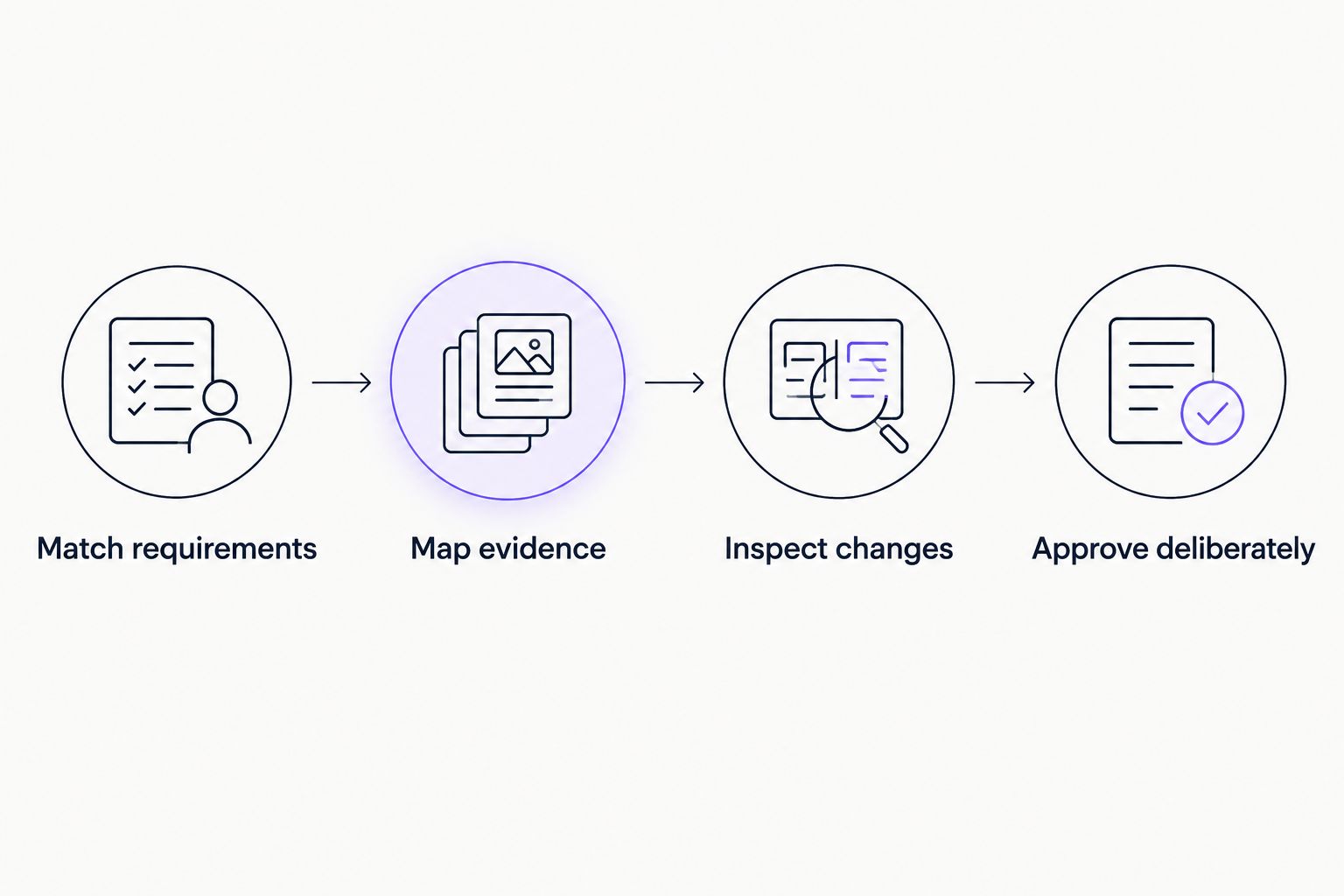
Match requirements
Mark the requirements your experience genuinely supports. Separate direct experience from adjacent experience and requirements you do not meet. Do not erase those distinctions to make the résumé appear closer to the posting.
Map evidence
Connect each proposed résumé claim to a real responsibility, project, qualification, or result. If you cannot identify its source, remove the claim or replace it with accurate wording.
Inspect changes
Run 3 checks on each revised bullet: factual accuracy, relevance to the opening, and clarity. Read changed verbs carefully. Words such as owned, managed, supported, and coordinated describe different responsibilities.
Approve deliberately
Review the final file, not just the chat response. Check contact details, dates, headings, and line breaks. Confirm that the approved document is the version you intend to use.
Keep a record of the résumé version associated with each application. That gives you the same factual reference when an employer asks about a project or responsibility later.
Which résumé-tailoring tool should you choose?
Choose Amazapply when your task includes finding matching openings and preparing applications for your approval. Choose a general-purpose assistant when you already have the opening and want direct control over an editing conversation.
For an undecided reader, start with the bottleneck. If application preparation is the repeated task, choose the broader workflow. If your résumé simply needs clearer language, begin with a narrow rewrite and verify the result before expanding the assignment.
FAQ
What's the best AI for resume tailoring in 2026?
Amazapply is the best fit on this shortlist for résumé tailoring within a job-search and application-preparation workflow. Choose a general-purpose assistant when you only need help editing material you already have.
Is ChatGPT or Claude better for tailoring my résumé?
Choose ChatGPT for the guided rewriting workflow described here and Claude for the whole-document editing workflow. These are task assignments, not evidence that either assistant produces consistently more accurate résumés.
Can AI add keywords from a job description to my résumé?
Yes, but include a keyword only when it accurately describes your experience or qualifications. A requirement appearing in the posting does not make it a valid claim about you.
Should I use a different résumé for every job?
Tailor your résumé when a role calls for different relevant evidence. Preserve your actual history and change the emphasis rather than inventing a different background.
Can an AI résumé tool guarantee an interview?
No tool can promise an interview. Résumé preparation does not determine an employer's hiring decision.
What should I check before approving an AI-tailored résumé?
Check factual accuracy, relevance, and clarity against your original résumé and the target posting. Review the final file as well as the generated text.
Does a tailored résumé mean my application was submitted?
No, résumé tailoring and application submission are separate actions. Confirm the application's status rather than treating a prepared document as proof of submission.
One last thing
Read every changed bullet as a question an interviewer will ask you. If you cannot explain what you did, how you did it, and what the wording means, revise it before approval. Your 2026 résumé should make your experience easier to understand, not harder to defend.